

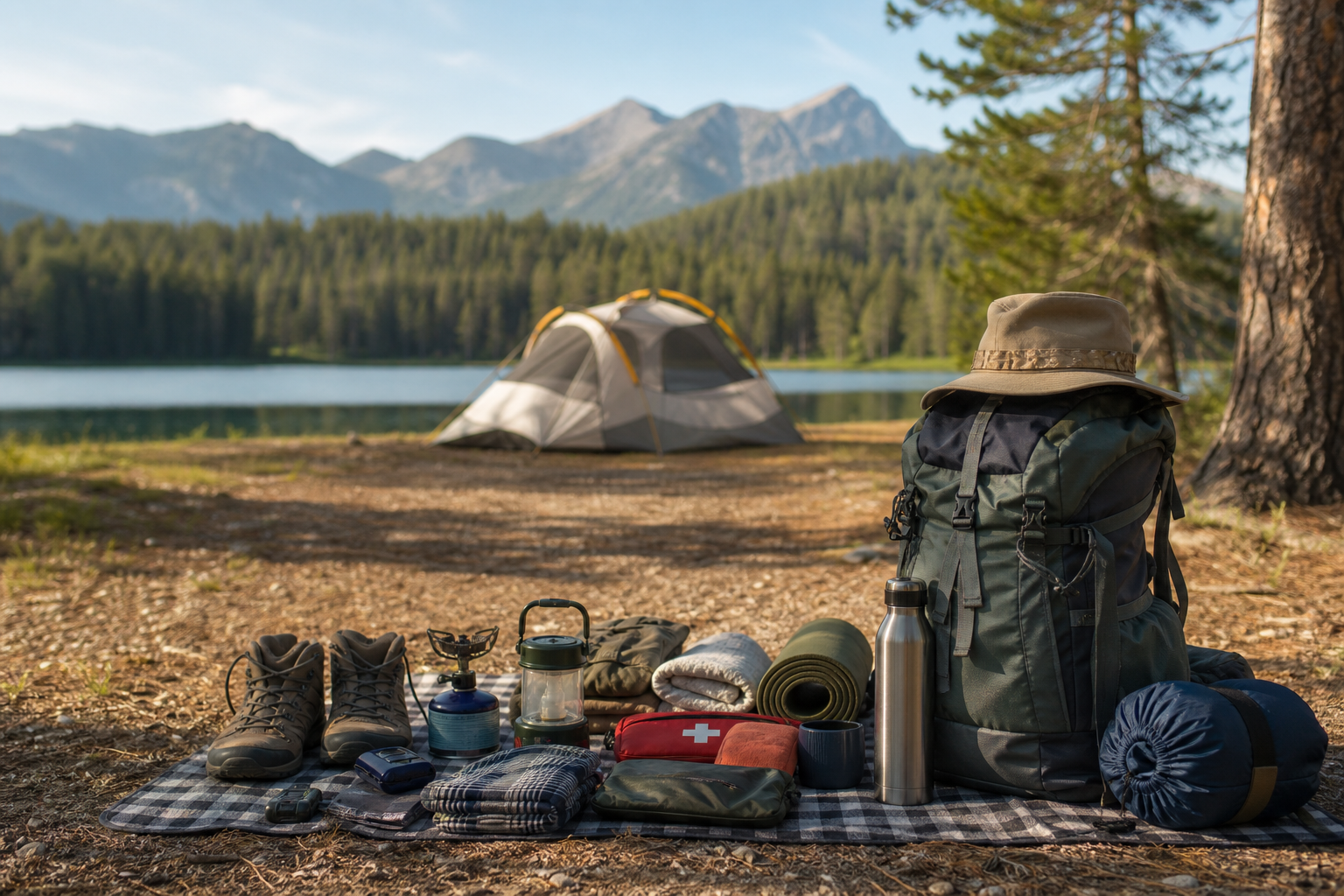

What Should You Pack for Your First Camping Trip? If this question is on your mind, you are already planning smart. Camping is more fun when you feel warm, dry, fed, and prepared. You do not need to bring your whole home into the woods. You only need the right basics, packed in a simple way.
This guide covers the key items for a first camping trip in the United States, from shelter and sleep gear to food, clothing, safety, and comfort items.
Why Packing Well Matters on Your First Camping Trip
Your first camping trip can feel exciting and a little confusing. Stores sell many camping products, and online lists can feel endless. The truth is simple: good packing helps you stay safe, sleep better, and enjoy the outdoors.
A well-packed bag also reduces stress. When you know where your flashlight, rain jacket, or first aid kit is, small problems feel easier to handle. If the temperature drops, you have layers. If your hands get dirty, you have soap. If dinner takes longer than expected, you have snacks.
Packing well does not mean packing too much. Many beginners bring extra items “just in case” and then spend the weekend digging through bags. Aim for useful, simple gear that matches your campsite, season, and trip length.
What Should You Pack for Your First Camping Trip? The Core Checklist
For a first trip, focus on the essentials first. These are the items that help you sleep, eat, stay clean, and stay safe. You can add comfort items later if you have space.
A basic first camping trip packing list includes:
- Tent with stakes, poles, and a footprint or tarp
- Sleeping bag rated for the expected night temperature
- Sleeping pad or air mattress
- Pillow or small camping pillow
- Headlamp or flashlight with extra batteries
- Camp chairs or a picnic blanket
- Cooler with ice or ice packs
- Water bottles or a water jug
- Simple cooking gear and eating utensils
- Weather-ready clothing
- First aid kit
- Sunscreen and insect repellent
- Toiletries and hand sanitizer
- Trash bags
- Map, campsite details, and any needed permits
Before leaving home, set up your tent once if possible. This helps you check for missing parts and learn how it works. It is much easier to practice in your yard than in the dark at a campsite.
Shelter and Sleep Gear
A good night’s sleep can change your whole camping experience. If you are cold, wet, or uncomfortable, the trip may feel harder than it needs to be. Choose shelter and sleep items that match the weather and your comfort level.
Your tent should be large enough for the people sleeping in it and some small bags. A “two-person” tent can feel tight for two adults, so consider sizing up if you want more room. Make sure the rainfly is included and in good condition.
Your sleeping bag matters, too. Check the temperature rating and compare it with the overnight forecast. If you are camping in spring or fall, nights can feel colder than expected, even when the day is warm.
A sleeping pad is not just for softness. It also helps keep your body away from the cold ground. Foam pads are simple and sturdy. Inflatable pads can be more comfortable but may need more care.
Pack sleep gear such as:
- Tent, poles, stakes, and rainfly
- Ground tarp or tent footprint
- Sleeping bag
- Sleeping pad or air mattress
- Pillow
- Extra blanket for cool nights
- Small repair kit or duct tape
Keep your sleep clothes dry in a separate bag. Even a simple plastic bag can protect them from spills or rain.
Clothing for Changing Weather
Weather can change fast outdoors. A sunny day can turn windy, and a warm afternoon can become a cold evening. The best way to dress for camping is in layers.
Start with a comfortable base layer, such as a T-shirt or long-sleeve shirt. Add a warm layer like a fleece or hoodie. Bring a rain jacket, even if the forecast looks clear. Wet clothing can make you cold quickly.
Avoid packing only cotton clothes if you expect rain or cool weather. Cotton can stay wet for a long time. Quick-dry shirts, wool socks, and warm layers are often more useful.
For a weekend camping trip, consider packing:
- Shirts for each day
- Long pants and shorts, depending on the weather
- Warm fleece, hoodie, or jacket
- Rain jacket or poncho
- Sleep clothes
- Extra socks and underwear
- Closed-toe shoes or hiking shoes
- Sandals or camp shoes
- Hat for sun or warmth
- Sunglasses
Do not forget that nights are often cooler than days. Even in summer, a warm layer can make sitting around camp more pleasant.
Food, Water, and Camp Cooking
Food does not need to be fancy on your first camping trip. Simple meals are often the best choice. Think about foods that are easy to pack, easy to cook, and easy to clean up.
For one or two nights, you might bring sandwiches, hot dogs, burgers, canned soup, instant oatmeal, pasta, fruit, trail mix, and granola bars. If you want to cook, make sure your campsite allows your stove or campfire method.
Water is one of the most important items. Some campgrounds have drinking water, but do not assume they do. Check ahead of time. Bring enough water for drinking, cooking, brushing teeth, and washing hands.
Basic cooking items include:
- Camp stove and fuel, if needed
- Lighter or waterproof matches
- Pot, pan, or kettle
- Spatula or cooking spoon
- Plates, bowls, cups, and utensils
- Cutting board and small knife
- Cooler and ice packs
- Biodegradable soap and sponge
- Paper towels or cloth towels
- Food storage bags or containers
Store food safely, especially in areas with wildlife. Many campgrounds give rules for food storage. Follow them closely. Keep food out of your tent, including snacks, toothpaste, and scented products.
Hygiene, Health, and Safety Items
Camping means living closer to dirt, insects, smoke, and weather. A small hygiene and safety kit can keep the trip comfortable and safe.
Your first aid kit does not need to be huge, but it should cover common problems. Include bandages, antiseptic wipes, pain reliever, blister pads, tweezers, and any personal medicine. If anyone in your group has allergies or health needs, plan for those carefully.
For hygiene, bring the basics. Many campgrounds have bathrooms, but some are simple. Pack toilet paper, hand sanitizer, soap, and a small towel. A toothbrush and toothpaste are easy to forget, so place them in your toiletry bag early.
Useful hygiene and safety items include:
- First aid kit
- Personal medications
- Sunscreen
- Insect repellent
- Hand sanitizer
- Toilet paper
- Toothbrush and toothpaste
- Soap and small towel
- Wet wipes
- Menstrual products, if needed
- Whistle
- Pocketknife or multitool
- Trash bags
A headlamp is one of the best safety items for beginners. It keeps your hands free when you walk to the bathroom, cook after dark, or look inside your tent.
Comfort Items That Are Worth the Space
After you pack the essentials, think about comfort. These items are not always required, but they can make your first camping trip feel easier and more fun.
Camp chairs are a good example. Sitting on the ground can get old quickly, especially around a fire ring or picnic table. A small lantern can make your tent or table feel cozy at night. A book, cards, or a simple game can help during quiet hours.
If you enjoy making indoor spaces feel calm, you may also like topics such as Can You Create a Cozy Reading Corner in Your Home. That same idea can work at camp in a simple way: a warm blanket, soft light, and a quiet seat can make the outdoors feel peaceful.
Comfort items to consider:
- Camp chairs
- Small lantern
- Book or card game
- Extra blanket
- Earplugs
- Eye mask
- Small rug or mat outside the tent
- Portable power bank
- Camera or binoculars
Do not let comfort items take over your packing. Bring a few that you know you will use.
Common First-Time Packing Mistakes
Many first-time campers make the same packing mistakes. The good news is that they are easy to avoid.
One common mistake is packing too much clothing and not enough warm layers. Another is forgetting light sources. A phone flashlight can help, but it drains the battery and is hard to use while carrying things.
Some beginners also forget about cleanup. After meals, you need a way to wash dishes, store leftovers, and pack out trash. Bring trash bags and keep your campsite tidy.
Another mistake is not checking campground rules. Some places do not allow campfires during dry weather. Others require food to be stored in a vehicle or bear-safe box. Review the rules before you pack so you do not bring items you cannot use.
Finally, avoid packing at the last minute. Lay everything out at home, group items by use, and check them off. This helps you notice missing gear before you leave.
Frequently Asked Questions
What is the most important thing to pack for a first camping trip?
The most important items are shelter, water, warm sleep gear, and lighting. A tent, sleeping bag, sleeping pad, and headlamp cover many basic needs. Food and safety items matter too, but staying dry, warm, and able to see after dark should come first.
How much water should I bring camping?
Bring enough water for drinking, cooking, brushing teeth, and basic washing. The amount depends on weather, activity level, and campsite services. If the campground has safe drinking water, you can refill there. If not, bring more than you think you will need.
Do I need special camping clothes?
You do not need expensive special clothing for your first trip. Choose comfortable layers that match the weather. Bring a rain jacket, warm layer, extra socks, and closed-toe shoes. Quick-dry fabrics and wool socks can help, especially in cool or wet conditions.
What food is easiest for beginner campers?
Easy camping foods include sandwiches, instant oatmeal, pasta, soup, hot dogs, fruit, trail mix, and granola bars. Choose meals with simple prep and little cleanup. If cooking feels stressful, bring more ready-to-eat foods for your first trip.
Should I bring a camping checklist?
Yes, a checklist is very helpful for first-time campers. It keeps you from forgetting small but important items like matches, batteries, toiletries, and trash bags. A checklist also helps you avoid overpacking because you can focus on what you truly need.