

How Can You Make a Small Living Room Feel Bigger? The short answer is to use light, layout, scale, and storage in a smarter way. A small living room does not have to feel cramped or busy. With the right choices, it can feel open, calm, and comfortable without losing personality.
As editors, we see one common mistake again and again: people try to solve a small-room problem by adding more furniture or more decor. Usually, the better answer is to edit what is already there, choose pieces with purpose, and let the room breathe.
How Can You Make a Small Living Room Feel Bigger With Layout?
The layout is the first thing to fix because it affects how the room feels the moment you walk in. Even a beautiful room can feel tight if the furniture blocks movement or creates visual clutter.
Start by looking at the main path through the room. Can you walk from the entry to the sofa, window, or hallway without turning sideways? If not, the layout needs work. A living room feels bigger when people can move through it easily.
Pulling furniture slightly away from the wall may seem strange in a small space, but it can help. When every piece is pushed flat against the wall, the room can feel stiff. A sofa with a few inches of breathing room behind it may create a more relaxed, designed look.
Also, think about the main purpose of the room. Is it for watching TV, reading, hosting friends, or all three? A small living room works best when it has one clear main function, then a few flexible extras.
Choose a Clear Focal Point
A small room feels calmer when the eye knows where to land. Your focal point might be a window, fireplace, TV, large artwork, or a neat media console. Once you choose it, arrange the main seating around it.
Avoid having too many “stars” in the room. A bold sofa, busy rug, gallery wall, bright curtains, and large TV can all compete for attention. That competition makes the space feel smaller.
If the TV is the focal point, keep the area around it simple. If a window is the focal point, do not block it with tall furniture. Let natural light and the view do some of the work.
Keep Walkways Open
Open walkways are key in a small living room. You do not need a huge amount of space, but you do need clear paths. Try to avoid placing coffee tables, ottomans, or side chairs where people naturally walk.
A few layout ideas can help:
- Use a smaller coffee table or nesting tables instead of one large table.
- Choose armless chairs when you need extra seating but have limited room.
- Place floor lamps in corners rather than in the middle of traffic areas.
- Keep baskets, plant stands, and stools out of doorways and narrow paths.
When the floor is easy to navigate, the whole room feels more open.
Use Color and Light to Open the Room
Color and light can change the mood of a small living room fast. The goal is not always to paint everything white. The goal is to reduce harsh contrast and make the room feel connected.
Light colors often work well because they reflect more light. Soft white, warm beige, pale gray, light taupe, and gentle sage can all help a small room feel airy. If you prefer deeper colors, use them with care. A dark accent wall can look cozy, but too many dark surfaces may make the room feel boxed in.
Try to keep large surfaces in a similar color family. When walls, curtains, and big furniture pieces are close in tone, the eye moves smoothly around the room. Strong contrast can chop the room into smaller visual sections.
Natural light is another powerful tool. Heavy curtains, dark blinds, and furniture in front of windows can make a small living room feel closed off. Lighter window treatments can soften the room while still letting light in.
Good lighting after sunset matters too. A single ceiling light often creates shadows in corners. Shadows can make a room feel smaller. Layering light is usually better.
Consider these lighting options:
- A floor lamp near the sofa for reading and soft height.
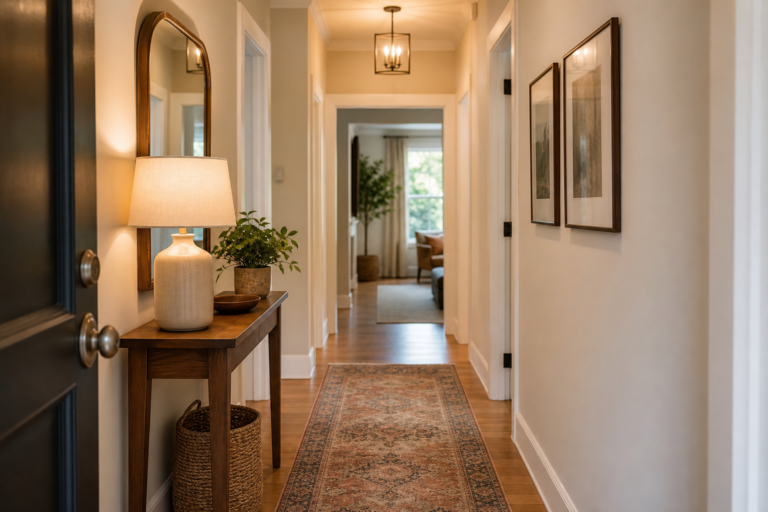
- A table lamp on a side table or console for warmth.
- Wall sconces if floor space is limited.
- A small accent lamp on a shelf to brighten a dark corner.
Warm, even lighting helps the room feel comfortable instead of cramped.
Pick Furniture That Fits the Room
Furniture scale can make or break a small living room. Oversized furniture may look cozy in a showroom, but it can swallow a compact room. On the other hand, too many tiny pieces can make the space feel cluttered.
The best choice is furniture that fits the room and supports real life. If you watch movies every night, a comfortable sofa matters. If you host guests, flexible seating may be more important. If you work from the living room, a small desk or storage console might earn its place.
Look for pieces with slimmer arms, raised legs, and clean lines. Furniture that sits on visible legs lets you see more floor, which helps the room feel lighter. A sofa with a low back can also keep sightlines open, especially in a room with windows.
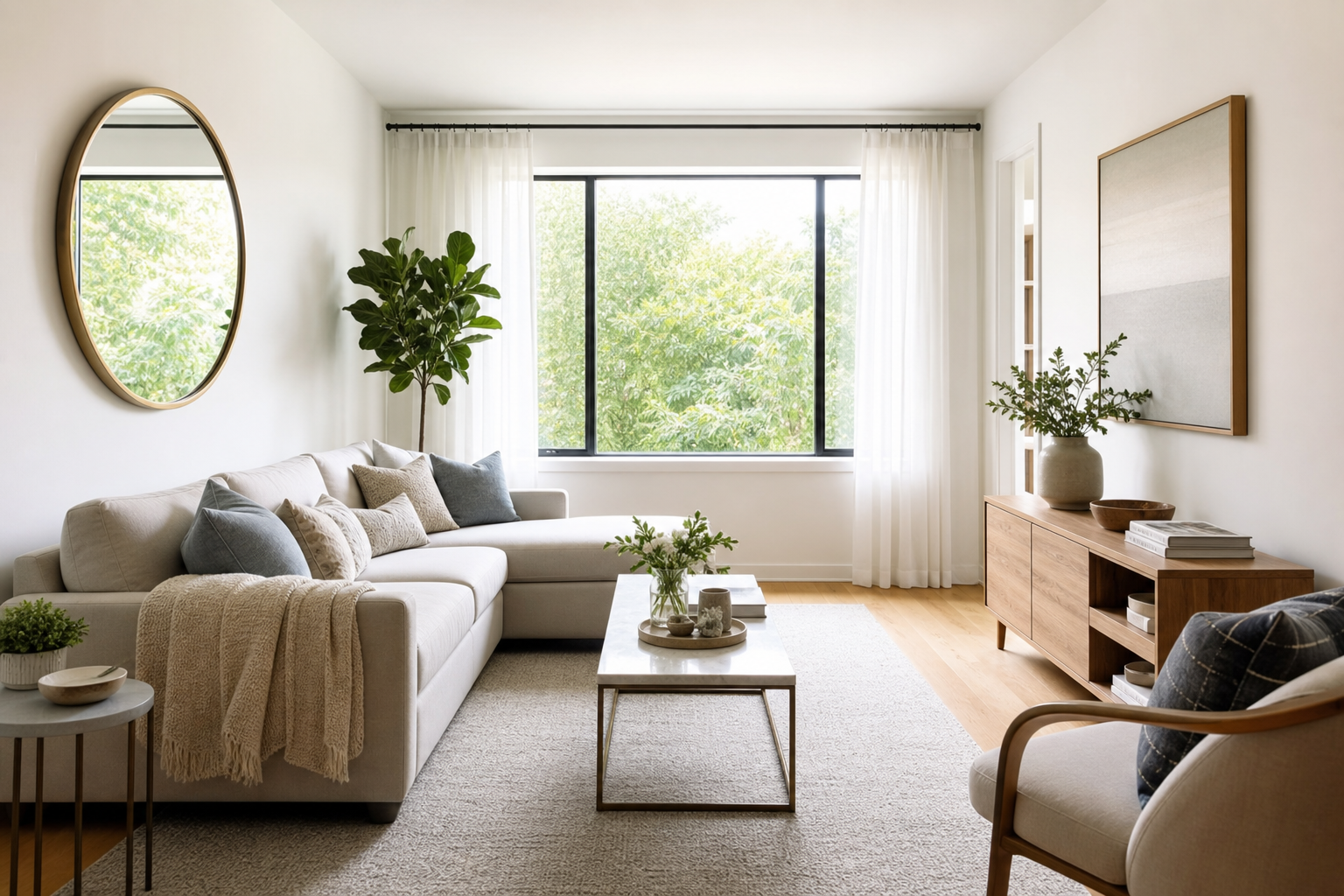
Sectionals can work in small living rooms, but only if the size is right. A compact sectional in the corner may use space better than a sofa plus two chairs. Measure carefully before you buy, including doorways, wall lengths, and walking space.
Try Multi-Use Pieces
In a small living room, each item should do more than one job when possible. Multi-use furniture keeps the room practical without adding extra clutter.
Good options include:
- An ottoman with hidden storage for blankets, games, or remotes.
- Nesting tables that spread out when needed and tuck away later.
- A storage bench under a window for seating and organization.
- A media console with closed doors to hide cords and small items.
- A sleeper sofa if the room also serves as a guest space.
These pieces help the room work harder while still looking calm.
Avoid Furniture That Blocks the Eye
A room often feels bigger when you can see across it. Tall, bulky furniture in the wrong spot can block that view. This is especially true near windows, doorways, and the center of the room.
Glass, acrylic, and open-frame pieces can be useful because they take up less visual space. A glass coffee table, for example, still gives you a surface but does not look as heavy as a solid wood block.
This does not mean every piece must be clear or minimal. A room still needs warmth. Balance is the goal. Pair one solid, cozy piece with lighter supporting pieces so the room does not feel crowded.
Declutter Without Making the Room Feel Empty
Decluttering is one of the fastest ways to make a small living room feel bigger. But the goal is not to strip the room of comfort. A space without books, pillows, photos, or texture can feel cold. The trick is to keep what adds value and remove what adds noise.
Start with flat surfaces. Coffee tables, side tables, shelves, and media consoles often collect random items. Clear them completely, then put back only what you use or truly enjoy. A tray can help group small items so they look intentional.
Next, look at the floor. Shoes, bags, pet toys, cords, and extra baskets can shrink the room visually. Floor clutter is especially noticeable in a small living room because there is less open area to begin with.
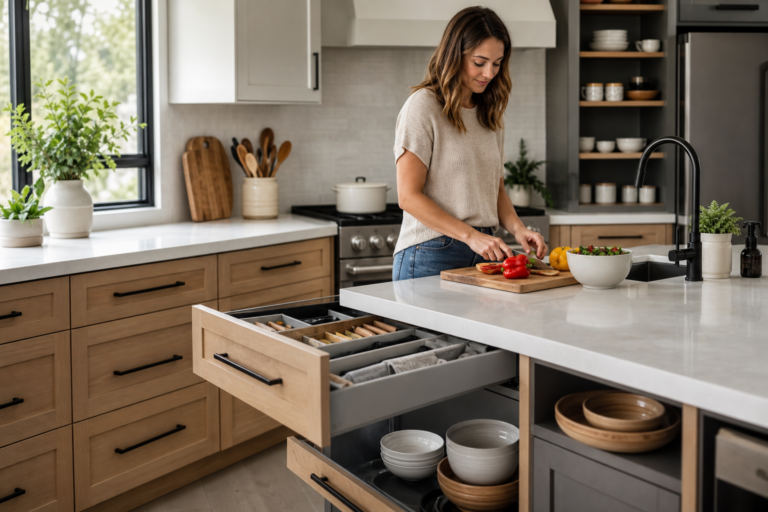
Closed storage is your friend. Open shelves can look beautiful, but they require careful styling. Cabinets, lidded baskets, and storage ottomans hide daily mess quickly.
A simple editing method can help:
- Keep items you use every week in easy reach.
- Store seasonal items outside the main living area.
- Remove duplicates, such as extra throws, trays, or side tables.
- Limit decorative objects to a few favorites.
- Use one basket for everyday loose items, then empty it often.
A small room does not need to be bare. It just needs fewer distractions.
Use Rugs, Curtains, and Mirrors the Smart Way
Decor can make a small living room feel larger when it is used with intention. Rugs, curtains, and mirrors are especially helpful because they affect how the eye reads the room.
A rug that is too small can make the seating area feel chopped up. In many living rooms, a larger rug works better because it connects the furniture. Ideally, at least the front legs of the sofa and chairs should sit on the rug. This creates one clear zone instead of several floating pieces.
Curtains can also change the sense of height. Hanging curtains closer to the ceiling and letting them fall near the floor can make the walls look taller. Choose fabric that is not too heavy, especially if the room needs more light.
Mirrors are a classic small-space tool for a reason. They reflect light and can create a feeling of depth. A mirror across from or near a window is often helpful, but avoid placing it where it reflects clutter. A mirror doubles what it sees, so make sure it reflects something pleasant.
Artwork matters too. One larger piece can sometimes feel cleaner than many small pieces. If you love a gallery wall, keep the frames related in color or style so the display feels organized.
Create Visual Height
When floor space is limited, use the walls. Drawing the eye upward can make the room feel taller and more open. This does not mean filling every wall. It means choosing vertical details that add height without adding bulk.
Tall bookcases can work if they are narrow and tidy. Wall-mounted shelves can hold books and decor without using floor space. Vertical art, slim floor lamps, and tall plants can also guide the eye upward.
Be careful with tall items, though. Too many can make the room feel crowded. One or two vertical elements are usually enough in a small living room.
Paint can help create height as well. Keeping the ceiling light often makes it feel higher. If you use crown molding or trim, painting it the same color as the wall can reduce visual breaks. Fewer breaks can make the space feel smoother and larger.
Small Details That Make a Big Difference
Sometimes the smallest choices change the whole room. Hardware, cords, pillows, and table styling may seem minor, but together they affect how open the room feels.
Cords are a common problem. TV cables, lamp cords, and charging cords can make a small room feel messy even when it is clean. Use cord covers, cable clips, or furniture placement to reduce the visual tangle.
Pillows and throws add comfort, but too many can crowd seating. Two or three pillows on a small sofa may be enough. Choose colors that connect with the rug, curtains, or artwork so the room feels pulled together.
Keep patterns balanced. A patterned rug can look great with simple pillows. Bold curtains can work with a quiet sofa. But when every surface has a strong pattern, the room may feel busy.
Also, leave some empty space. Empty wall space, open floor space, and a clear tabletop are not wasted. They give the eye a place to rest.
Frequently Asked Questions
What color makes a small living room look bigger?
Light colors usually make a small living room feel more open and airy. Soft white, cream, pale gray, beige, and light warm neutrals are popular choices. The best color depends on your natural light and furniture. Try to keep large surfaces similar in tone for a smooth, spacious look.
Is a sectional a good idea for a small living room?
A sectional can work well if it fits the room and does not block walkways. In some small spaces, a compact sectional uses a corner better than several separate chairs. The key is measuring carefully and choosing a design with clean lines, low arms, or raised legs.
Do mirrors really make a small living room feel bigger?
Yes, mirrors can help a small living room feel bigger because they reflect light and depth. They work best when they reflect a window, artwork, or an uncluttered area. Avoid placing a mirror where it reflects messy shelves, cords, or crowded corners.
Should furniture touch the walls in a small living room?
Furniture does not always need to touch the walls, even in a small living room. Leaving a few inches behind a sofa or chair can make the layout feel more relaxed. What matters most is keeping clear walkways and making sure the room is easy to use.
How do I make a small living room cozy but not cluttered?
Choose a few soft textures, such as a rug, throw, and pillows, then keep surfaces simple. Use closed storage for everyday items and avoid too many small decorations. A cozy small living room feels warm, useful, and edited, not packed with extra things.