


How Can You Make Your Backyard More Private? The best answer depends on your yard, your budget, and what you want to block. Maybe neighbors can see your patio. Maybe street noise makes it hard to relax. Or maybe you want a cozier space for kids, pets, meals, and quiet evenings. Backyard privacy can come from fences, plants, screens, shade structures, and smart layout changes. Often, the most comfortable solution is a mix of several simple ideas.
How Can You Make Your Backyard More Private? Start With a Simple Plan
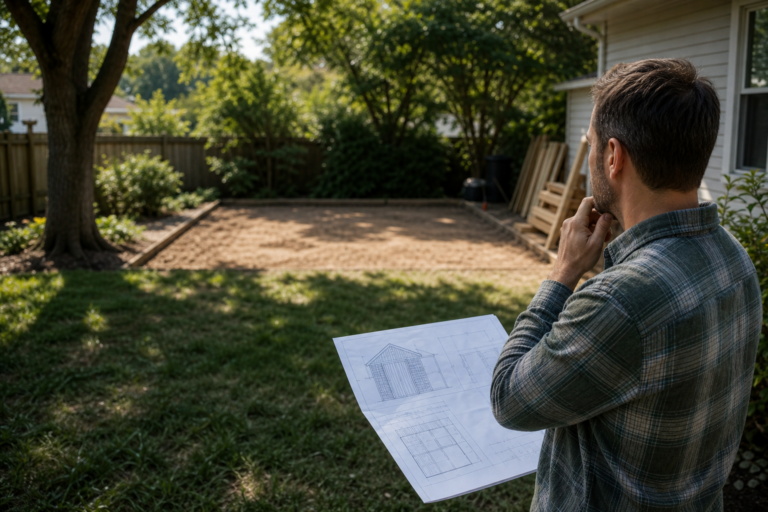
Before buying panels, trees, or outdoor curtains, take a slow walk around your yard. Notice where privacy is missing most. Sit where you usually sit. Stand by the grill, the pool, the play area, or the back door. Look toward neighboring windows, sidewalks, alleys, and second-story decks.
Privacy is not always about blocking the whole yard. Many backyards feel private once the main seating area is protected. This can save money and keep the yard open and bright.
Think about these questions:
- What view do you want to block most?
- Do you need privacy all year or only during warm months?
- Is the problem low, like a sidewalk, or high, like an upstairs window?
- Do you also want shade, wind protection, or noise reduction?
- How much maintenance are you willing to do?
Also check local rules before making major changes. Many cities, counties, homeowners associations, and utility easements have rules about fence height, fence location, drainage, and tree placement. A quick review can help you avoid problems later.
Use Fences and Walls for Strong Privacy
A fence is one of the most direct ways to make a backyard more private. It creates a clear boundary and blocks sight lines right away. Fences are especially useful near patios, side yards, trash areas, pools, and dog runs.
Common backyard privacy fence materials include wood, vinyl, composite, metal, and masonry. Each has a different look, price range, and care level.
Wood fences feel warm and classic. They can be built in many styles, including board-on-board, horizontal slat, stockade, and shadowbox. Wood usually needs staining, sealing, or painting over time.
Vinyl fences offer a clean look and low maintenance. They do not need paint, but they can look less natural than wood. Composite fencing can offer a similar low-care benefit with a more textured finish.
Metal fences, such as aluminum or steel, are durable but often do not give full privacy unless paired with panels, screens, or plants. Masonry walls made from brick, stone, or concrete can feel solid and long-lasting, but they may cost more and may need permits or professional installation.
Choose the Right Fence Height and Style
Fence height matters, but taller is not always better. A six-foot fence can block many ground-level views. If the problem comes from a hill or a second-story window, you may need a different solution, such as trees, a pergola, or a privacy screen closer to the seating area.
Fence style also affects comfort. A fully solid fence gives the most privacy, but it can make a small yard feel boxed in. A semi-private fence allows some airflow and light while still softening views.
Good privacy fence styles include:
- Board-on-board fencing, which overlaps boards to reduce gaps
- Horizontal slat fencing, which gives a modern look and can be spaced tightly
- Lattice-top fencing, which adds height while keeping the top lighter
- Shadowbox fencing, which looks finished from both sides
- Solid vinyl panels, which create a clean and simple barrier
If wind is strong in your area, ask about designs that allow some airflow. A completely solid fence can catch wind like a sail if it is not built correctly.
Add Privacy Where You Need It Most
You may not need a full fence around the whole yard. A short run of fencing can solve a specific problem. For example, a privacy panel near a hot tub, outdoor shower, side gate, or dining table can feel more comfortable than enclosing the entire property.
This targeted approach works well in small yards. It also helps when you want to keep garden views, sunlight, or an open feeling.
Plant Living Privacy Screens
Plants can make a backyard feel softer, cooler, and more natural. A living privacy screen can block views, reduce glare, and create a peaceful backdrop. It may take time to grow, but it often looks more inviting than hard surfaces alone.
Evergreen plants are popular because they keep their leaves or needles in winter. Deciduous plants can also work if you mainly use the yard in spring, summer, and fall. Mixing plant types can give you better texture and a more natural look.
Popular plant choices for privacy vary by region, soil, sun, and water needs. In many parts of the US, homeowners consider arborvitae, holly, privet, juniper, bamboo varieties, ornamental grasses, and tall shrubs. However, not every plant is right for every yard. Some grow too large, spread aggressively, or struggle in certain climates.
Use Layers for Better Coverage
Layered planting often works better than one straight row of identical shrubs. Nature rarely grows in perfect lines, and layered plants can hide gaps as they mature.
A strong privacy planting plan may include:
- Tall evergreen trees or shrubs in the back
- Medium flowering shrubs in the middle
- Ornamental grasses or perennials in front
- Vines on a trellis for fast vertical coverage
- Small trees placed to block specific upper windows
Layering also helps the yard look attractive from inside the house. Instead of staring at a plain barrier, you see depth, color, and movement.
Think About Growth and Maintenance
Young plants can look small at first, but many become much wider and taller over time. Read mature size information before planting. Placing shrubs too close together can lead to crowding, disease, and extra trimming.
Maintenance also matters. Some plants need regular pruning to stay neat. Others drop leaves, flowers, berries, or seed pods. Fast-growing plants can offer quicker privacy, but they may need more control.
If you want low maintenance, choose plants suited to your local climate and soil. Native or well-adapted plants often need less care once established, though every yard is different.
Add Screens, Trellises, and Outdoor Curtains
Not every privacy solution needs to be permanent. Screens, trellises, and curtains can create privacy where fences or large plants are not possible. They are useful for renters, small patios, decks, and areas with strict rules.
Freestanding outdoor privacy screens come in wood, metal, resin, fabric, and composite materials. Some fold and move easily. Others are fixed in place. A screen can hide a neighbor’s window, block a side view, or separate a lounge area from a driveway.
Trellises are another flexible option. They provide structure for climbing plants and can be placed against a fence, near a patio, or beside a deck. Vines can add shade and beauty, but choose them carefully. Some vines grow fast and need frequent trimming.
Outdoor curtains can make a deck, porch, or pergola feel like an outdoor room. Choose fabric made for outdoor use so it handles sun and moisture better. Curtains can be opened when you want a view and closed when you want privacy.
Create Private Outdoor Rooms
Sometimes the best way to make a backyard private is to change how the space is arranged. Instead of treating the whole yard as one open area, divide it into smaller zones. This can make even a modest backyard feel more comfortable.
An outdoor room might include a seating area, rug, planter boxes, shade cover, and one or two privacy walls. The goal is to create a place where your body naturally feels sheltered.
You can define outdoor rooms with:
- A pergola over a dining area
- Tall planters around a small patio
- A hedge behind lounge chairs
- A screen beside a fire pit
- A low wall with taller plants behind it
- A shade sail placed to block overhead views
Pergolas are especially helpful when privacy issues come from above. They do not fully block views by themselves, but they can support fabric panels, climbing plants, or slatted covers. This helps create a more protected feeling without closing in the whole yard.
Furniture placement matters too. If your chairs face directly toward a neighbor’s deck, try turning them toward a garden bed, water feature, or fireplace. Even a small shift can change how exposed the space feels.
Improve Privacy With Shade, Sound, and Lighting
Privacy is not only visual. A yard can feel less private when conversations carry, traffic noise is loud, or bright lights shine into the space. Small upgrades can make the backyard feel calmer.
Shade helps by creating a softer, more enclosed area. Umbrellas, shade sails, trees, awnings, and pergolas can all make a patio feel less exposed. Shade also makes outdoor spaces more comfortable during hot weather.
Sound can also shape privacy. A fountain, small waterfall, rustling grasses, or wind chimes may help mask nearby noise. These features do not erase sound, but they can make conversations feel less sharp in an open yard.
Lighting should be gentle and aimed carefully. Bright lights can make your yard feel like a stage at night. Instead, use low path lights, shielded fixtures, string lights, or warm accent lighting. Aim lights downward and away from neighbors’ windows.
Balance Privacy With Good Neighbor Etiquette
Backyard privacy projects can affect nearby homes. A new fence, tall hedge, or large structure may change views, shade, or drainage. Being thoughtful can prevent tension.
You do not need to ask permission for every small project if it follows local rules. Still, it can be wise to mention major changes, especially along shared property lines. Clear communication helps avoid confusion about boundaries and maintenance.
Keep plants trimmed so they do not block sidewalks, push through fences, or grow into neighboring roofs and gutters. If a fence has a “finished” side requirement in your area, follow it. If you are adding lighting, avoid shining it into another home.
A private yard should feel peaceful for you without creating problems for others.
Budget-Friendly Backyard Privacy Ideas
You can improve privacy without a full renovation. Start with the most exposed area and use simple fixes first. Over time, you can add more permanent features.
Affordable backyard privacy ideas include:
- Tall container plants placed around a patio
- Reed, bamboo, or willow screening attached to an existing fence
- Outdoor curtains on a porch or pergola
- A trellis with climbing plants
- Large umbrellas angled toward a view you want to block
- Freestanding screens near seating areas
- Raised garden beds with tall shrubs or grasses
Containers are useful because they can move as your needs change. Use large, heavy pots for taller plants so they are less likely to tip. Make sure containers have drainage holes and choose plants that can handle your sun conditions.
If you already have a chain-link fence, privacy slats or rolled screening can make a quick difference. These materials may not look as polished as a new fence, but they can reduce open views while plants grow.
Frequently Asked Questions
What is the fastest way to make a backyard more private?
The fastest options are outdoor privacy screens, curtains, rolled fence screening, and tall potted plants. These can often be placed where privacy is needed most without waiting for shrubs or trees to grow.
What plants are best for backyard privacy?
The best plants depend on your climate, sunlight, soil, and space. Evergreen shrubs, tall grasses, hedges, and small trees are common choices. Always check mature size before planting near fences or foundations.
Can I make my backyard private without a fence?
Yes, you can use plants, trellises, pergolas, curtains, screens, tall planters, and smart furniture placement. Many yards feel private with a few targeted barriers rather than a full fence.
How do I block a neighbor’s second-story view?
To block views from above, use taller plantings, pergolas, shade sails, lattice panels, or trees placed near your seating area. Blocking the view closer to you often works better than raising the entire fence.
Do I need a permit to build a privacy fence?
Permit rules vary by city, county, and neighborhood. Fence height, location, materials, and corner visibility may be regulated. Check local building rules and homeowners association guidelines before starting a fence project.