

How Can You Make a Hallway Feel More Inviting? Start by treating it like a real room, not just a pass-through space. A hallway sets the mood for the rest of your home. It can feel warm, bright, calm, and personal with a few simple choices. The right lighting, colors, storage, wall decor, and small details can change how the space looks and feels every day.
How Can You Make a Hallway Feel More Inviting? Start With First Impressions
A hallway often works hard. It may connect bedrooms, welcome guests, hold shoes, or guide people from one room to another. Because it is easy to ignore, it can become dark, plain, or cluttered. But even a narrow hallway can feel pleasant when each part has a purpose.
Think about what someone notices first. Is the area bright enough? Is the floor clear? Does the wall look empty or too busy? Is there a place to drop keys, hang a coat, or pause for a moment? These small questions help you see the hallway as a designed space.
An inviting hallway should feel easy to move through. It should also match the rest of your home. If your living room feels soft and cozy, the hallway can carry that same feeling with warm light, simple art, and natural textures.
Use Lighting to Create Warmth and Safety
Lighting is one of the fastest ways to improve a hallway. Many hallways have little or no natural light, so the light you choose matters a lot. A single harsh ceiling bulb can make the space feel cold. Softer, layered lighting can make it feel welcoming.
Warm white bulbs are often better for hallways than bright blue-white bulbs. They make skin tones, wood, paint, and art look softer. If the hallway is long, more than one light source can help avoid dark spots.
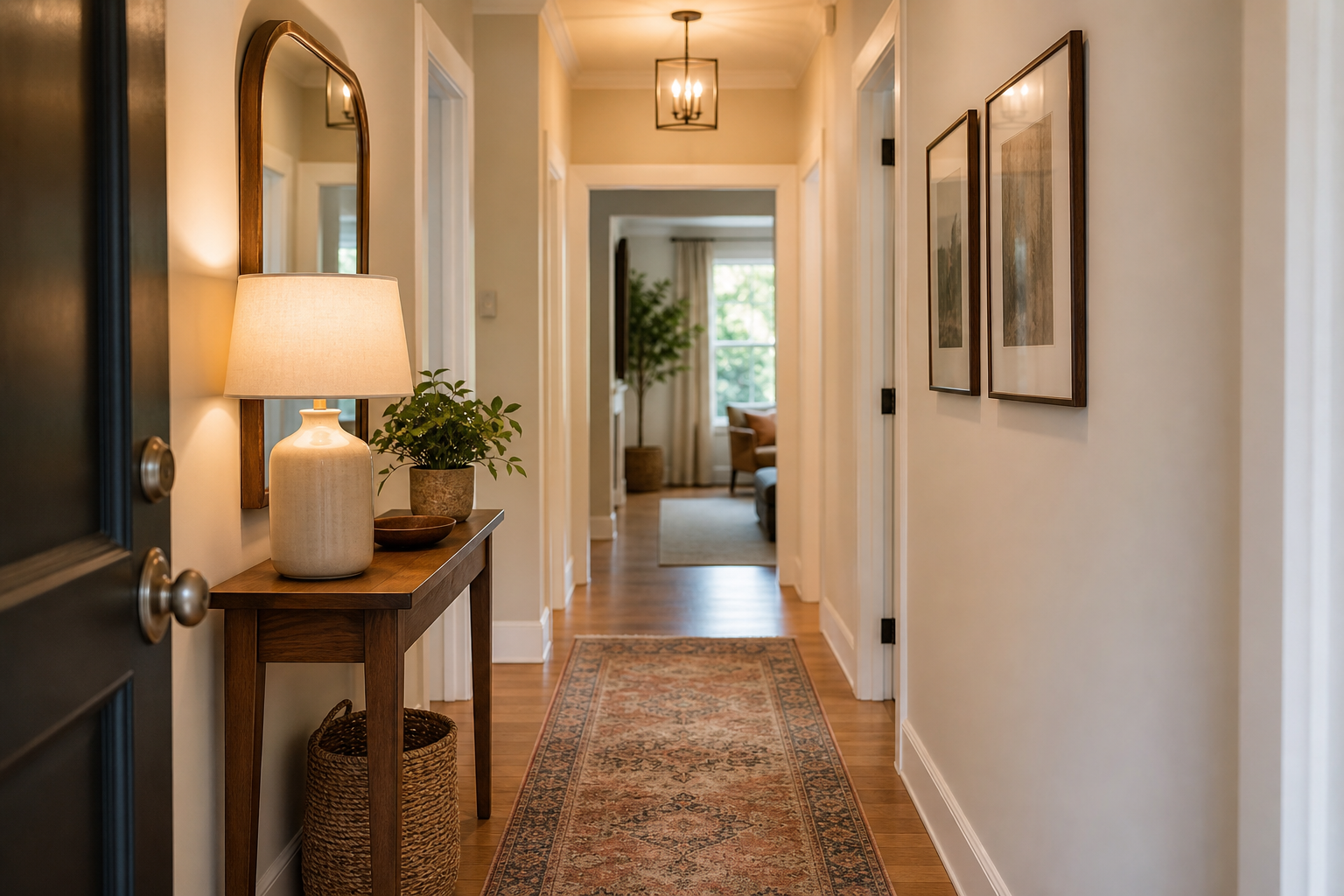
Wall sconces can add charm if there is enough space. A flush-mount ceiling light works well in low-ceiling hallways. Picture lights can highlight artwork and make the wall feel more thoughtful. In a wide hallway, a small table lamp on a console can add a cozy glow.
Motion-sensor lights can also be helpful, especially at night. This is useful for families, guests, and anyone walking through the home in the dark. Smart lighting can also support daily comfort. The topic Can Smart Home Devices Simplify Daily Life? Key Everyday Benefits fits well here because hallway lighting is one simple place where smart home tools can make routines easier.
Choose Colors That Make the Space Feel Open
Paint color can change the mood of a hallway right away. Since many hallways are narrow, colors should help the space feel open and balanced. That does not mean every hallway must be white. Soft neutrals, warm grays, creamy whites, pale greens, and gentle blues can all work well.
If your hallway is dark, a light wall color can help reflect available light. If the hallway feels too plain, a deeper accent color on one wall or at the end of the hall can add depth. This can draw the eye forward and make the space feel more designed.
The finish also matters. Eggshell or satin paint is often practical for hallways because walls may get touched often. These finishes are easier to wipe than flat paint. This is useful in homes with kids, pets, or a busy entry path.
Trim color can also make a big difference. Fresh white trim creates a clean edge. Dark trim can look bold and modern. Matching the trim and wall color can make a narrow hallway feel smoother and less chopped up.
Keep Clutter Under Control Without Making It Feel Empty
A welcoming hallway should feel tidy, but not bare. Clutter can make the area stressful, while too little decor can feel cold. The goal is balance.
Start by looking at what usually lands in the hallway. Shoes, bags, mail, dog leashes, umbrellas, and jackets often pile up because they do not have a clear home. Add storage that fits the space, not storage that blocks the path.
Helpful hallway storage ideas include:
- A slim console table with drawers for keys, mail, and sunglasses.
- Wall hooks for coats, hats, bags, or pet leashes.
- A narrow shoe cabinet that keeps footwear hidden.
- A small bench with storage underneath for entry hallways.
- Baskets for scarves, gloves, or everyday grab-and-go items.
If your hallway is narrow, use vertical space. Hooks, floating shelves, and wall-mounted organizers keep the floor open. This helps the hallway feel larger and easier to walk through.
Be careful not to overfill the walls. Too many hooks or baskets can look messy even when they are useful. Pick a few storage pieces that fit your habits and keep the rest simple.
Add Personality With Art, Mirrors, and Texture
A hallway is a great place to show personality. You do not need a large budget or a major project. Simple details can make the space feel more like home.
Art is one of the easiest upgrades. A row of framed prints can guide the eye down the hall. Family photos can feel warm and personal. One large piece can create a clean focal point, especially at the end of a hallway.
Mirrors are also useful. They reflect light and can make the area feel bigger. A mirror near an entry hallway is practical for a quick check before leaving home. In a dark hallway, place a mirror where it can catch light from a nearby room or fixture.
Texture helps a hallway feel less flat. Think about materials you can touch or see clearly. A woven runner, wood frame, ceramic bowl, linen shade, or natural basket adds warmth. These details make the space feel finished without making it crowded.
If your hallway feels boring, texture may be the missing piece. Even a simple neutral hallway can feel rich when it includes wood, fabric, metal, and soft lighting.
Make the Floor Part of the Design
The floor has a big effect on how a hallway feels. Since hallways see a lot of foot traffic, the floor should be durable and easy to clean. But it can still look beautiful.
A runner rug is a popular choice because it adds color, comfort, and sound control. It can also make a long hallway feel less empty. Choose a runner that leaves some floor visible on both sides. This keeps the space from feeling squeezed.
For safety, use a rug pad so the runner stays in place. This is especially important in homes with children, older adults, or pets. A washable or low-pile rug may be easier to care for in busy areas.
If you already have wood, tile, or vinyl floors, make sure they are clean and in good condition. Scratches, loose tiles, or worn edges can make a hallway feel neglected. Small repairs can improve the whole space.
Pattern can work well on the floor if the walls are simple. A striped runner can make the hallway feel longer, while a soft pattern can hide everyday dirt better than a solid light color.
Use Scent, Sound, and Small Details
An inviting hallway is not only about what people see. It is also about what they sense when they enter or pass through. Light scent, soft sound, and thoughtful details can make the area feel calm.
Scent should be gentle. A strong fragrance can feel overwhelming in a small hallway. If you use a diffuser, candle, or room spray, choose something light and clean. Avoid placing strong scents near the front door if guests may be sensitive.
Sound matters too. Long hallways can echo, especially if they have hard floors and bare walls. Rugs, fabric art, curtains near nearby rooms, and upholstered benches can help soften noise.
Small details can also create warmth. A ceramic dish for keys, a plant on a console, a framed note, or a small seasonal accent can make the hallway feel cared for. The best details are useful or meaningful, not just decorative.
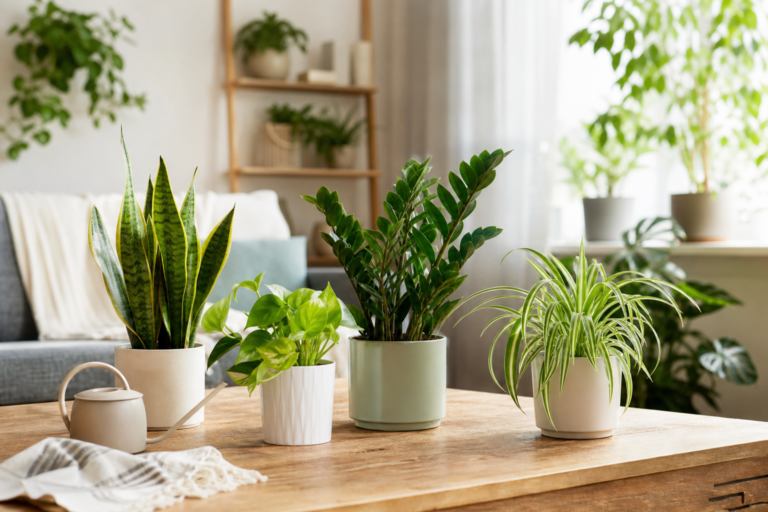
Plants can work if there is enough light. If the hallway is very dark, consider realistic faux greenery or dried stems. A touch of green can soften straight lines and add life to the space.
Match the Hallway to Your Home’s Style
A hallway should not feel like a random space. It should connect with the style of the rooms around it. This does not mean everything must match perfectly. It means colors, materials, and mood should feel related.
In a modern home, a hallway may look best with simple frames, clean lighting, and a limited color palette. In a farmhouse-style home, wood hooks, woven baskets, and warm white walls may feel right. In a traditional home, framed art, classic sconces, and a patterned runner may fit well.
Look at the rooms your hallway connects. Borrow one or two ideas from them. For example, if your living room has brass accents, use a brass mirror or light fixture in the hallway. If your bedroom has soft blue tones, carry a pale blue or gray-blue into the hall.
This approach helps the home feel connected. It also keeps the hallway from feeling like an afterthought.
Avoid Common Hallway Decorating Mistakes
Some hallway mistakes are easy to fix. The most common one is using decor that is too large. A deep table, oversized plant, or bulky bench can block movement. Always leave enough room to walk comfortably.
Another mistake is using only overhead lighting. This can create shadows and make the space feel flat. If possible, add a second light source or choose a fixture that spreads light well.
Too many small items can also make the hallway feel busy. A wall full of tiny frames, hooks, signs, and shelves may look cluttered. Choose fewer pieces with more impact.
Ignoring the end of the hallway is another missed chance. The end wall can become a focal point with art, a mirror, a small chair, or a painted accent. This gives the eye a place to land.
Finally, do not forget function. A hallway should look good, but it should also support real life. If shoes always pile up by the door, decor alone will not solve the problem. Storage will.
Frequently Asked Questions
What colors make a hallway feel more inviting?
Warm whites, soft grays, light beige, pale green, and muted blue can make a hallway feel open and calm. If you want more drama, use a deeper color on one end wall while keeping the side walls lighter.
How do I make a narrow hallway look wider?
Use light paint, good lighting, and a mirror to help the hallway feel wider. Keep furniture shallow and avoid bulky decor. A runner with simple lines can also guide the eye without crowding the space.
What should I put on hallway walls?
Hallway walls can hold framed art, family photos, mirrors, small shelves, or wall sconces. Choose pieces that match your home’s style. Leave some open wall space so the area does not feel too busy.
Is a rug a good idea in a hallway?
A rug or runner can be a great idea because it adds warmth, color, and comfort. Use a rug pad to prevent slipping. Choose a durable, easy-to-clean material for busy hallways and entry areas.
How can I decorate a hallway on a small budget?
Start with decluttering, better bulbs, and a fresh coat of paint if needed. Add affordable frames, hooks, a runner, or a mirror. Small changes can make the hallway feel more welcoming without a full remodel.