

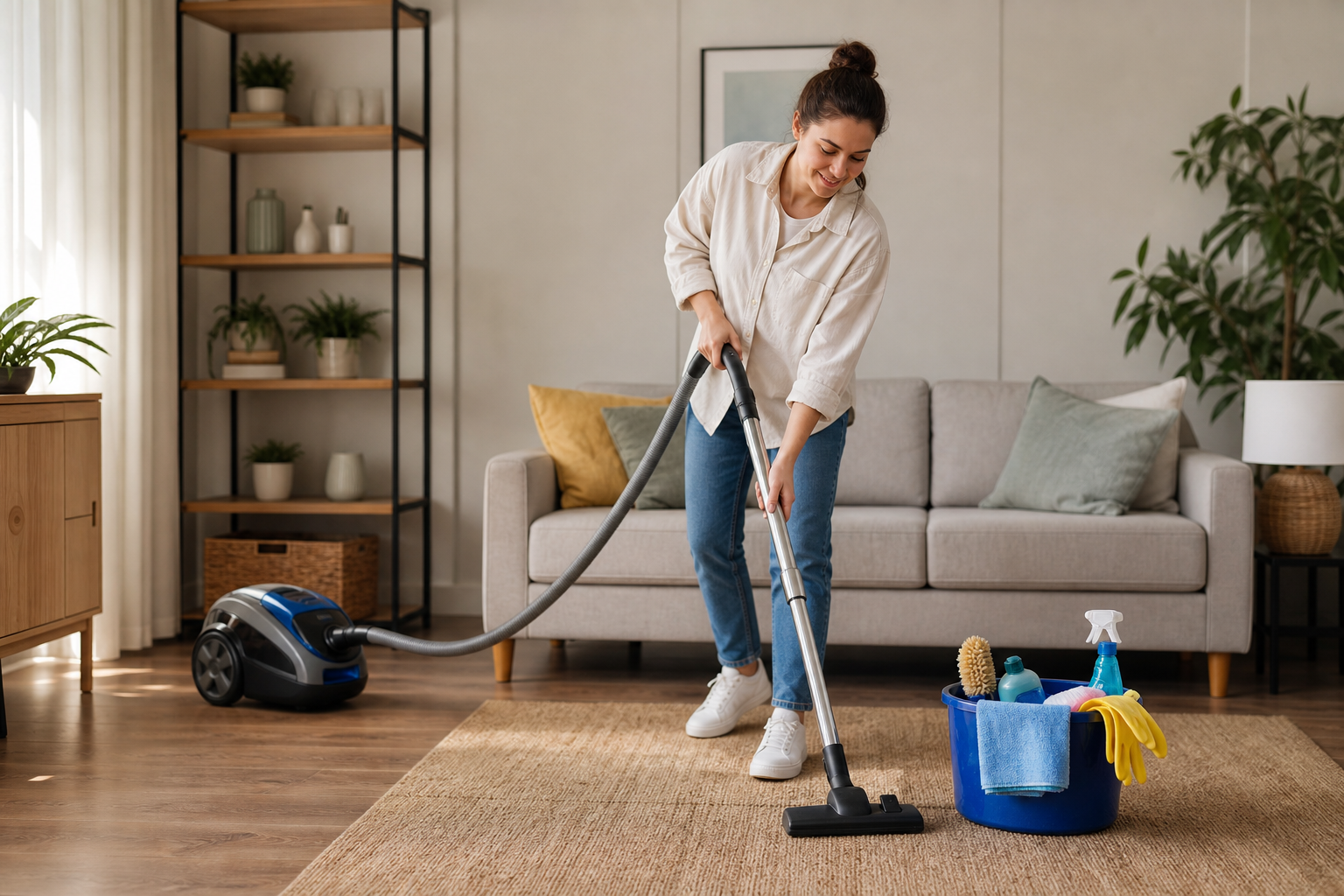

Household chores can feel endless, especially when work, family, school, and personal time all compete for attention. So, how can you make household chores easier to manage? The answer is not doing everything perfectly. It is building simple habits, using smart tools, and sharing tasks in a way that fits real life. With a clear plan, your home can feel cleaner, calmer, and easier to care for each day.
Why Household Chores Feel So Hard to Keep Up With
Chores are not difficult only because they take time. They are hard because they repeat. Dishes come back. Laundry piles up again. Floors get dirty after they were just cleaned. This can make even a clean home feel like a never-ending job.
Many people also wait until a task becomes big. A few cups in the sink become a full counter of dishes. One basket of laundry becomes three. A dusty shelf becomes an all-day cleaning project. When chores grow this way, they feel heavier than they need to be.
Another problem is decision fatigue. If you have to decide what to clean, when to clean, and who should do it every day, your brain gets tired. A simple routine removes many of those daily choices.
The goal is not to make your home spotless all the time. The goal is to make chores less stressful, more predictable, and easier to finish.
How Can You Make Household Chores Easier to Manage? Start With a Simple System
A simple system is better than a perfect system. If a cleaning plan is too detailed, it is easy to quit. A good chore system tells you what needs attention, when to do it, and how much time to spend.
Start by writing down the chores you do most often. Then place them into daily, weekly, and monthly groups. This helps you see that not everything needs to be done today.
Create Daily, Weekly, and Monthly Chore Lists
Daily chores should be small tasks that keep mess from growing. These are the basics that help your home stay comfortable.
Common daily chores include:
- Washing dishes or loading the dishwasher
- Wiping kitchen counters after meals
- Taking out trash when needed
- Putting dirty clothes in a hamper
- Making beds or straightening blankets
Weekly chores are the tasks that keep your home fresh. These may take more time, but they do not usually need to happen every day.
Weekly chores may include vacuuming, mopping, cleaning bathrooms, changing sheets, dusting, and doing laundry. Choose one or two bigger tasks each day instead of saving all of them for the weekend.
Monthly chores are deeper cleaning tasks. These can include wiping baseboards, cleaning inside appliances, organizing closets, or washing windows. Put these on a calendar so they do not get forgotten.
Use Time Blocks Instead of Long Cleaning Days
Many people feel overwhelmed because they try to clean the whole house at once. Time blocking can make chores easier. Set a timer for 10, 15, or 20 minutes. Work until the timer ends, then stop or take a break.
Short cleaning sessions are easier to begin. They also help you stay focused. You may be surprised by how much you can finish in a small block of time.
For example, a 15-minute evening reset might include clearing the table, loading dishes, wiping counters, and putting shoes by the door. This does not make the whole home perfect, but it makes the next morning easier.
Keep Chore Supplies Easy to Reach
Chores are harder when supplies are in the wrong place. If bathroom cleaner is stored far from the bathroom, cleaning feels like more work. Keep basic supplies near the areas where you use them.
You might keep a small caddy under the bathroom sink with cloths, cleaner, and gloves. In the kitchen, keep wipes or spray near the counter. For floors, store the broom or vacuum where it is easy to grab.
When supplies are easy to reach, quick cleaning becomes more natural.
Build Habits That Reduce Mess Before It Starts
The easiest chore is the one you prevent. Small habits can stop clutter, dirt, and laundry from spreading through the home.
One useful habit is “touch it once.” If you bring in the mail, sort it right away instead of dropping it on a table. If you take off a jacket, hang it up instead of placing it on a chair. This saves time later.
Another helpful habit is closing each room. Before leaving a room, look around for ten seconds. Take one cup, one wrapper, or one item that belongs somewhere else. This tiny action can prevent clutter from building up.
A peaceful home also makes room for comfort and personal interests. For example, Can You Create a Cozy Reading Corner in Your Home may be easier to think about when clutter is under control and surfaces are clear.
Make Chores Easier for the Whole Family
If more than one person lives in the home, chores should not fall on one person alone. Sharing tasks helps everyone understand that the home is a shared space.
Children can help with age-friendly chores. Young children can put toys in bins, place clothes in a hamper, or match socks. Older children can wipe counters, empty trash, fold laundry, or help with dishes. Adults can divide tasks based on schedules, energy, and skill.
Match Tasks to Real-Life Schedules
A fair chore plan does not always mean everyone does the same number of tasks. It means the plan respects time and effort. Someone who works late may not be the best person for dinner dishes. Someone who wakes early may be able to unload the dishwasher or start laundry.
Talk about what is realistic. A chore plan works better when people can actually follow it.
Try assigning chores by time of day. Morning tasks may include making beds, feeding pets, or starting a load of laundry. Evening tasks may include dishes, trash, and a quick living room reset.
Make Instructions Clear and Simple
Sometimes chores are missed because people do not know what “clean the bathroom” really means. Clear instructions help avoid confusion.
Instead of saying, “Clean your room,” try saying:
- Put dirty clothes in the hamper
- Place books on the shelf
- Throw away trash
- Put toys or supplies in their bins
- Clear the floor before bedtime
Specific steps make the task easier to complete. They also make it easier to notice progress.
Use a Visible Chore Chart
A visible chore chart can help families stay organized. It does not need to be fancy. A whiteboard, paper list, or shared phone note can work.
The chart should show the task, the person responsible, and the day it needs to be done. Keep it simple enough that everyone can understand it quickly.
A visible chart also reduces repeated reminders. Instead of asking, “Did you do your chores?” family members can check the list.
Use Tools and Shortcuts That Save Time
The right tools can make chores faster and less tiring. You do not need every cleaning gadget. Focus on items that solve real problems in your home.
Microfiber cloths are useful for dusting and wiping surfaces. A lightweight vacuum can make quick floor cleaning easier. Laundry baskets in bedrooms or bathrooms can reduce clothing piles. Storage bins can help keep toys, shoes, and supplies in place.
Simple shortcuts can also help:
- Line small trash cans with extra bags at the bottom for faster changes
- Keep donation boxes in a closet for items you no longer use
- Use doormats at entrances to reduce dirt on floors
- Clean spills right away before they become sticky or stained
- Fold laundry near where it will be put away
Shortcuts are not lazy. They are smart ways to save energy.
Declutter So Cleaning Takes Less Effort
A cluttered home is harder to clean. Every extra item must be moved, dusted, washed, stored, or managed. Decluttering reduces the number of things competing for space.
Start with one small area. Do not begin with the whole garage or every closet. Choose a drawer, shelf, basket, or counter. Remove items that are broken, unused, expired, or no longer needed.
Use simple categories: keep, donate, recycle, trash, and move to another room. Do not make the process too complicated.
Flat surfaces are a good place to start. Kitchen counters, dining tables, and entry tables collect clutter quickly. When these areas are clear, the home feels cleaner even before deep cleaning begins.
Decluttering also helps with decision-making. When each item has a home, cleaning becomes faster. You spend less time wondering where things belong.
Turn Cleaning Into a Less Stressful Routine
Chores do not have to feel like punishment. A more pleasant routine can make them easier to start and finish.
Some people enjoy listening to music, podcasts, or audiobooks while cleaning. Others prefer quiet because it helps them focus. Choose what makes the task feel lighter.
You can also pair chores with habits you already have. Wipe the bathroom sink after brushing your teeth. Start a load of laundry before making coffee. Clear the living room before watching a show. These small links help chores become automatic.
Another helpful idea is the “good enough” rule. Not every task needs to be done deeply every time. A quick wipe may be enough today. A deeper clean can happen later. This mindset helps prevent all-or-nothing thinking.
If you miss a day, do not treat it as failure. Homes are lived in. Just restart with the next small task.
Room-by-Room Tips for Easier Chores
Different rooms create different kinds of mess. A room-by-room approach helps you focus on what matters most.
In the kitchen, clean as you cook. Put ingredients away after using them. Rinse tools while food is heating. Load the dishwasher before sitting down for the night.
In the bathroom, keep wipes or cloths nearby for quick sink and mirror touch-ups. Hang towels so they dry well. Use baskets or trays to control personal care items.
In the bedroom, make the bed most mornings. It quickly makes the room look calmer. Keep a laundry hamper close so clothes do not land on the floor.
In the living room, use baskets for blankets, toys, remotes, and magazines. A five-minute reset before bed can make the next day feel more peaceful.
In the entryway, create a place for shoes, bags, keys, and coats. This stops clutter from spreading into the rest of the home.
Avoid Common Chore Management Mistakes
One common mistake is making a plan that is too ambitious. If your schedule is already full, a two-hour daily cleaning routine will not last. Begin with small changes.
Another mistake is buying storage before decluttering. Storage bins help only when they hold items you truly need. Otherwise, they hide clutter instead of solving it.
It is also easy to delay tasks until they become urgent. A little maintenance is usually easier than a major cleanup. Washing dishes after dinner is less stressful than facing a full sink in the morning.
Finally, avoid expecting one routine to work forever. Life changes. School schedules, work hours, health needs, and family size can all affect chores. Review your system when it stops helping.
Frequently Asked Questions
How often should I clean my house?
Most homes do well with small daily resets and deeper weekly cleaning. The exact schedule depends on your household size, pets, habits, and available time.
What is the easiest way to start when my home is messy?
Start with visible trash, dirty dishes, and laundry on the floor. These three areas usually make the biggest difference quickly and help you feel more in control.
How can I get my family to help with chores?
Use clear task lists, age-friendly jobs, and a visible schedule. Calm conversations work better than blame, especially when everyone understands what needs to be done.
Should I clean one room at a time or the whole house?
Both methods can work, but one room at a time often feels easier. It gives you a clear finish point and visible progress before moving on.
How do I stay motivated to keep doing chores?
Keep tasks short, celebrate small progress, and connect chores to daily comfort. A cleaner home can make mornings smoother, evenings calmer, and routines easier.
Final Thoughts on Managing Household Chores
Household chores become easier when they are simple, shared, and realistic. You do not need a perfect home or a strict cleaning plan. You need habits that reduce mess, routines that fit your life, and tools that save time.
Start small. Clear one counter, fold one basket, or set one timer. Over time, these small actions build a home that feels easier to manage and more comfortable to live in.